
Café vs Bistro Furniture: Understanding the Key Differences for Modern Hospitality Spaces

In the hospitality industry, furniture is more than just a functional requirement—it defines the personality of your space, influences customer behaviour, and directly impacts operational efficiency. Café furniture and bistro furniture are often grouped together, yet each serves a distinct purpose in terms of design, comfort, and usage. Understanding these differences is essential for café owners, restaurateurs, architects, and hospitality brands aiming to create the right ambience and maximize customer experience. This detailed guide explores the core differences between café and bistro furniture, helping you make informed decisions for your hospitality project.
Understanding the Café Concept and Furniture Style

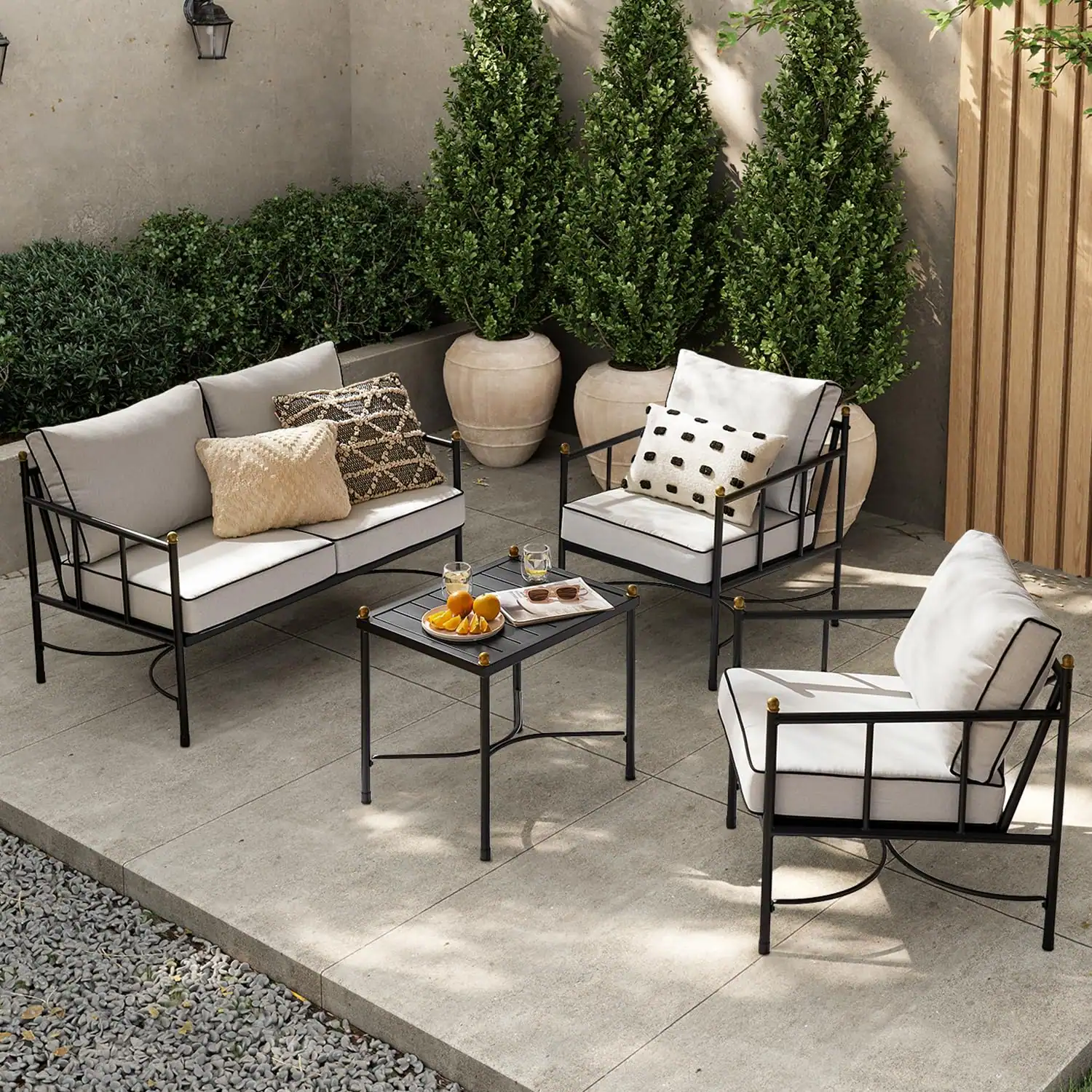
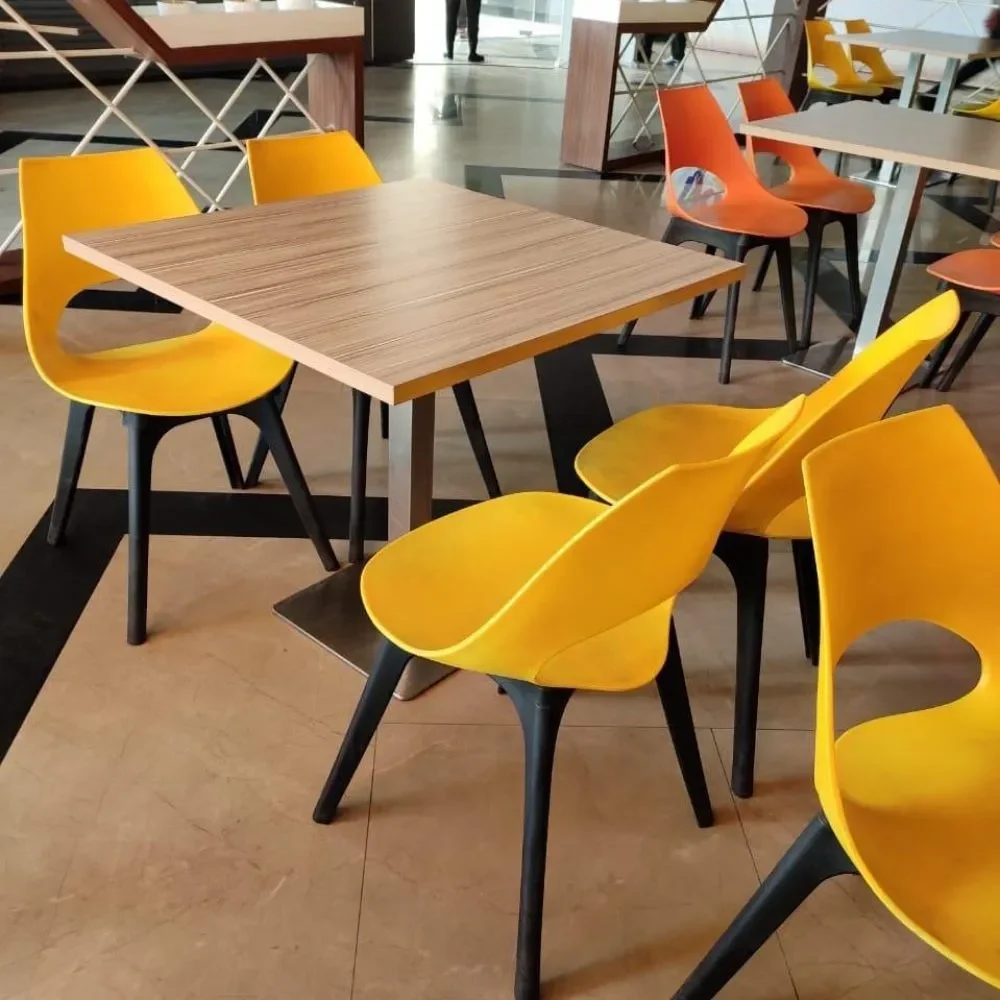
Cafés are lifestyle-driven spaces where customers come to relax, socialize, work, or spend extended periods of time. As a result, café furniture is designed with comfort, versatility, and warmth at its core. Café furniture typically includes upholstered chairs, lounge seating, benches, and larger tables that encourage longer stays. The designs often feature warm materials such as solid wood, fabric upholstery, cane, and soft finishes that create an inviting atmosphere. Ergonomics play a crucial role, with backrests, armrests, and cushioned seating being common features. From an aesthetic perspective, café furniture embraces a wide range of styles—modern, rustic, industrial, or contemporary—allowing brands to express their unique identity. Layouts are usually flexible, offering different seating zones for individuals, couples, and groups, making cafés ideal for all-day dining concepts.

Understanding the Bistro Concept and Furniture Style

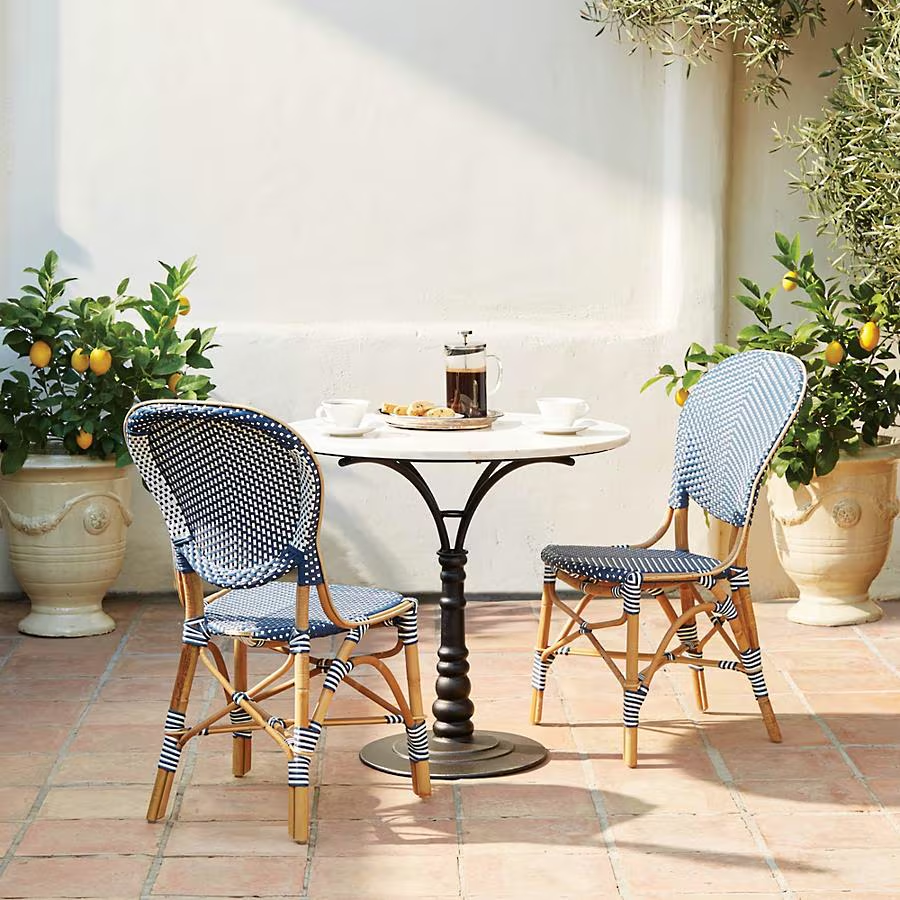
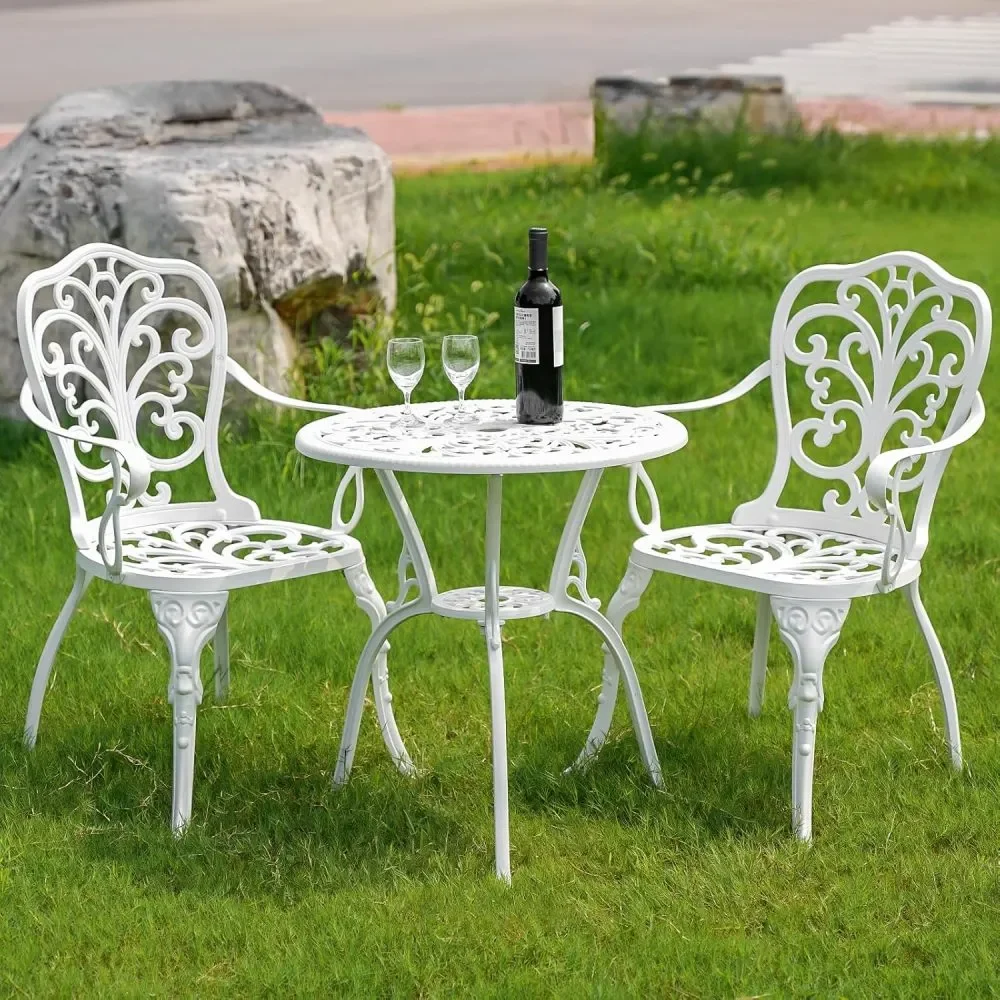
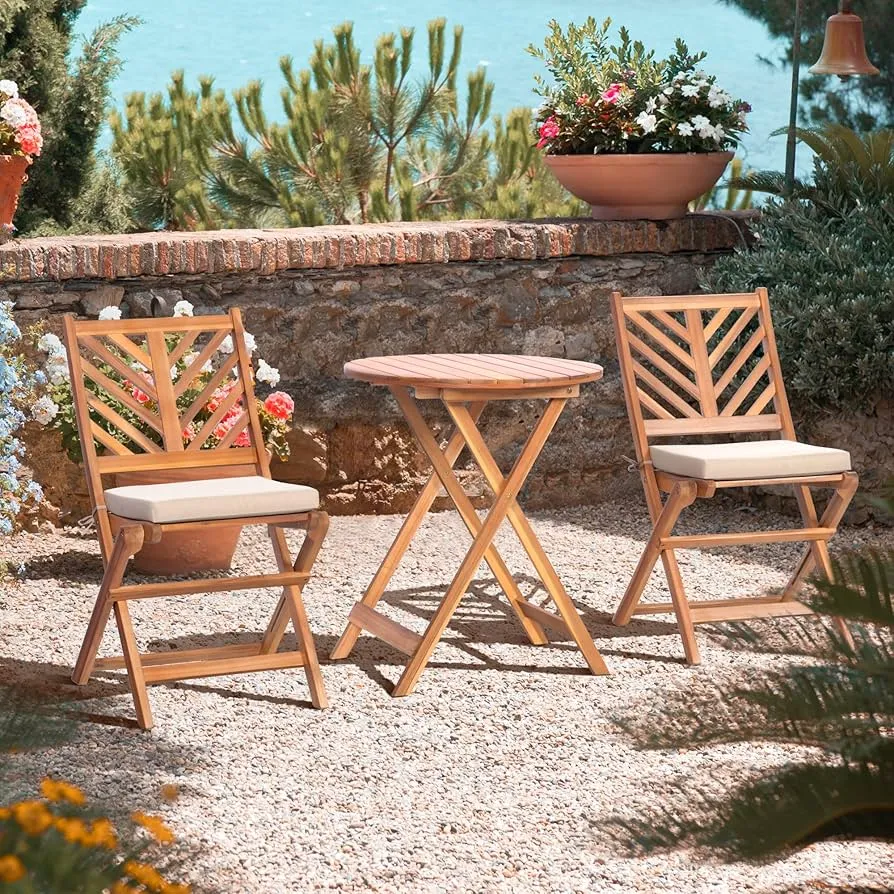
Bistros originate from European dining traditions and are designed for efficient dining with a refined visual appeal. Bistro furniture supports quicker table turnover while maintaining a stylish, compact, and elegant look. Bistro chairs are typically slim, lightweight, and space-efficient, often made from bentwood, metal, or rattan. Tables are smaller in size, commonly featuring round tops or marble finishes that enhance the classic bistro aesthetic. Seating comfort is adequate but intentionally firmer compared to cafés, encouraging shorter dining durations. Visually, bistro furniture follows a more uniform and minimal approach, with coordinated chairs and tables that create symmetry and order. This makes bistro furniture particularly suitable for compact spaces, high-density layouts, and sidewalk or terrace dining.
Key Differences Between Café and Bistro Furniture

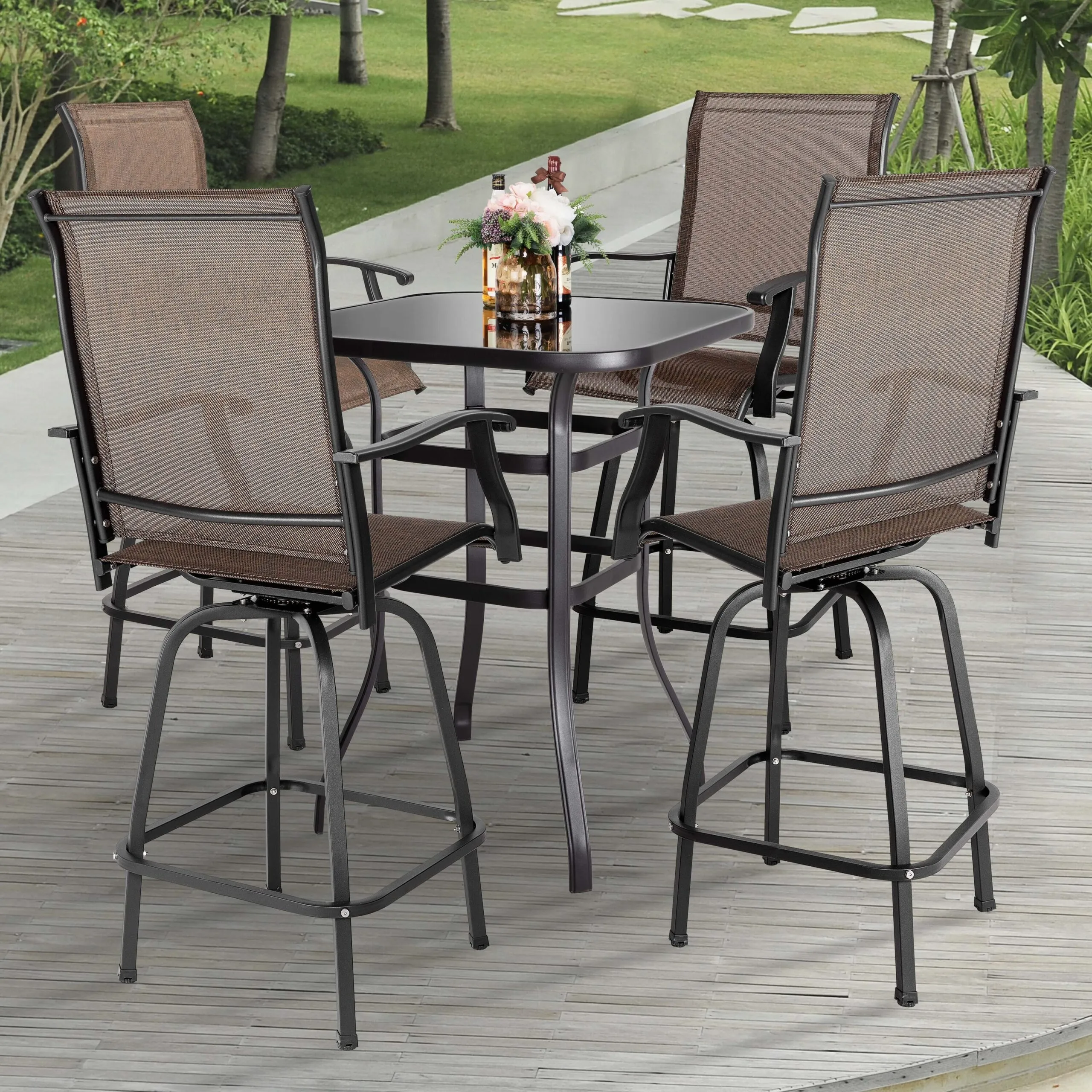
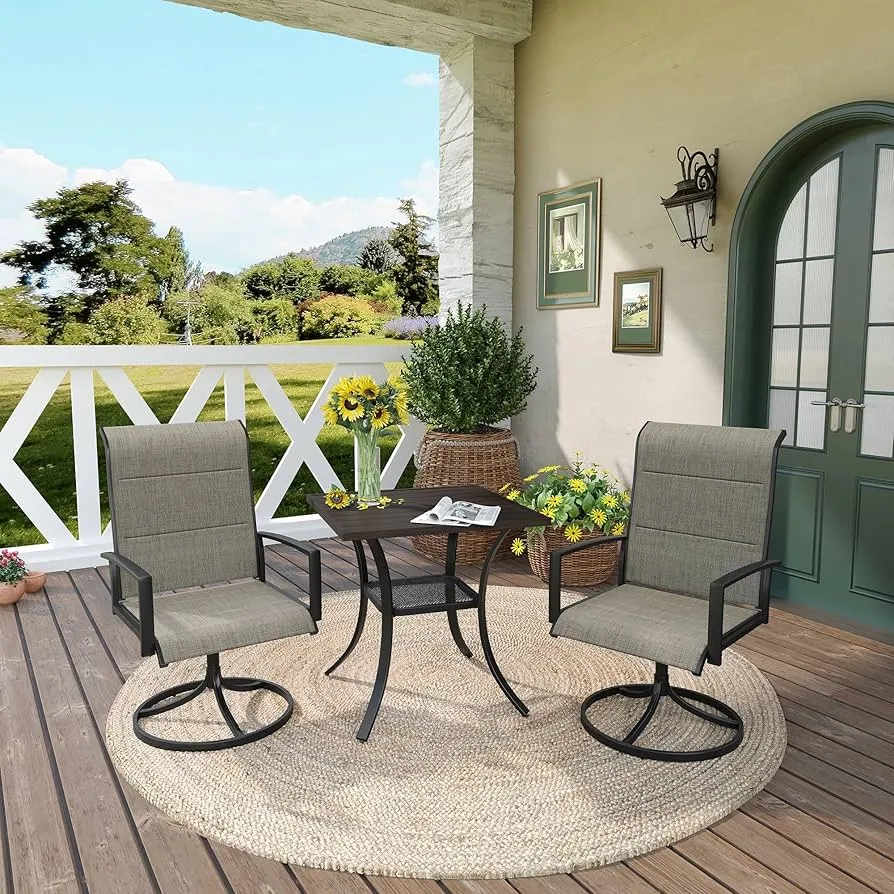
One of the most noticeable differences lies in seating comfort and duration of use. Café furniture is designed for long sitting hours, while bistro furniture balances comfort with efficiency. Café chairs often include padding and ergonomic support, whereas bistro chairs are lighter and more compact. Space planning also varies significantly. Café furniture requires more breathing room and encourages flexible layouts, while bistro furniture is ideal for tight seating arrangements and smaller floor areas. In terms of ambience, cafés focus on warmth and relaxation, while bistros emphasize elegance and quick-service dining. Material selection reflects this difference—cafés lean toward soft textures and layered finishes, while bistros rely on sleek, durable surfaces.
812IS6BwKHL._AC_SL1500_-rh7mcfc4k0o9ulsrcl8pwlh9836knz711tlo8d426o

Durability and Commercial Performance

Both café and bistro furniture must meet commercial-grade standards, but usage patterns differ. Café furniture needs to withstand prolonged use, frequent movement, and varied customer behavior. Strong joinery, high-density foam, and scratch-resistant finishes are essential. Bistro furniture, on the other hand, is often moved frequently for cleaning or reconfiguration, making lightweight yet durable construction critical. Powder-coated metal frames, moisture-resistant surfaces, and easy-to-maintain materials are common choices, especially for outdoor use.
Indoor and Outdoor Applications

Café furniture is predominantly used indoors but is increasingly adapted for semi-outdoor and alfresco café settings. Bistro furniture, however, is widely used in outdoor dining areas, balconies, terraces, and pavement seating due to its compact design and weather-resistant construction. For outdoor bistro setups, materials such as treated wood, metal, and UV-resistant finishes ensure longevity under changing weather conditions.

Choosing the Right Furniture for Your Hospitality Concept

Selecting between café and bistro furniture depends largely on your business model and customer behavior. Café furniture is ideal for concepts that encourage longer visits, casual meetings, and relaxed dining experiences. Bistro furniture suits fast-paced dining environments where space efficiency and table turnover are priorities. Many modern hospitality spaces successfully combine both styles—using café furniture for lounge or window seating and bistro furniture for high-density dining zones. This hybrid approach allows businesses to cater to diverse customer needs while optimizing space utilization.
Final Thoughts

The difference between café and bistro furniture goes beyond appearance—it influences how customers interact with your space, how long they stay, and how efficiently your operation runs. By understanding these distinctions, hospitality professionals can design environments that align with their brand vision and business goals. At Scrolt Enterprise, we specialize in designing and manufacturing premium, contract-grade hospitality furniture for cafés, bistros, restaurants, and hotels. Our collections balance comfort, durability, and refined aesthetics—helping hospitality brands create memorable dining experiences.
big-restaurant-dining-table-set-rh7mcfc4k0o9ulsrcl8pwlh9836knz711tlo8d426o

Shopping Cart0

No products in the cart.