
In the hospitality industry, furniture is more than just a functional requirement—it defines the personality of your space, influences customer behaviour, and directly impacts operational efficiency. Café furniture and bistro furniture are often grouped together, yet each serves a distinct purpose in terms of design, comfort, and usage. Understanding these differences is essential for café owners, restaurateurs, architects, and hospitality brands aiming to create the right ambience and maximize customer experience. This detailed guide explores the core differences between café and bistro furniture, helping you make informed decisions for your hospitality project.
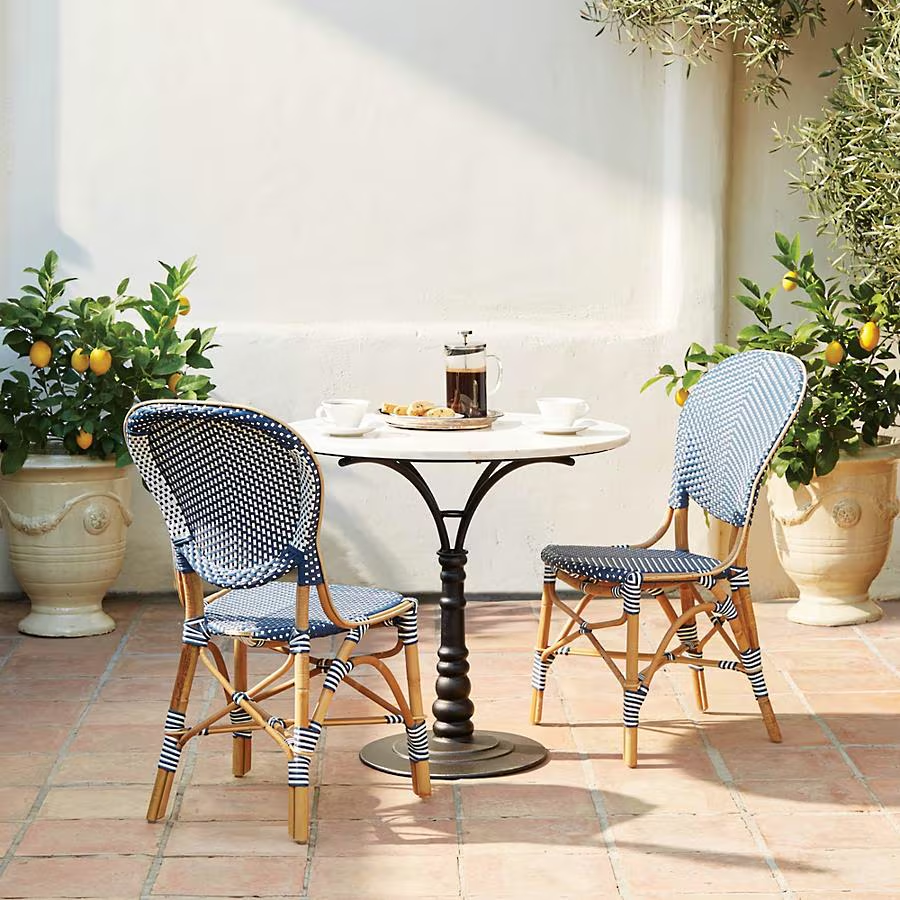
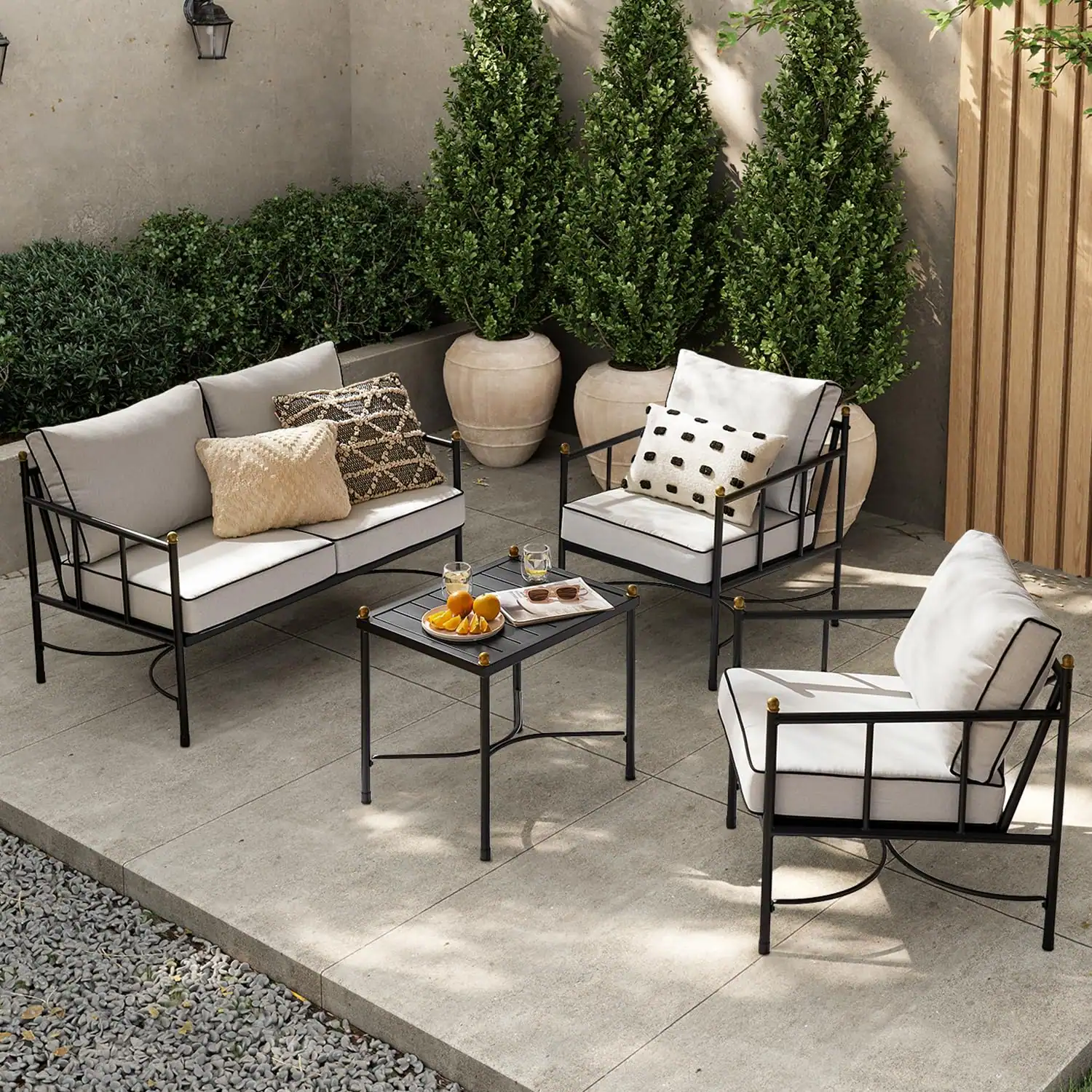
Bistros originate from European dining traditions and are designed for efficient dining with a refined visual appeal. Bistro furniture supports quicker table turnover while maintaining a stylish, compact, and elegant look. Bistro chairs are typically slim, lightweight, and space-efficient, often made from bentwood, metal, or rattan. Tables are smaller in size, commonly featuring round tops or marble finishes that enhance the classic bistro aesthetic. Seating comfort is adequate but intentionally firmer compared to cafés, encouraging shorter dining durations. Visually, bistro furniture follows a more uniform and minimal approach, with coordinated chairs and tables that create symmetry and order. This makes bistro furniture particularly suitable for compact spaces, high-density layouts, and sidewalk or terrace dining.
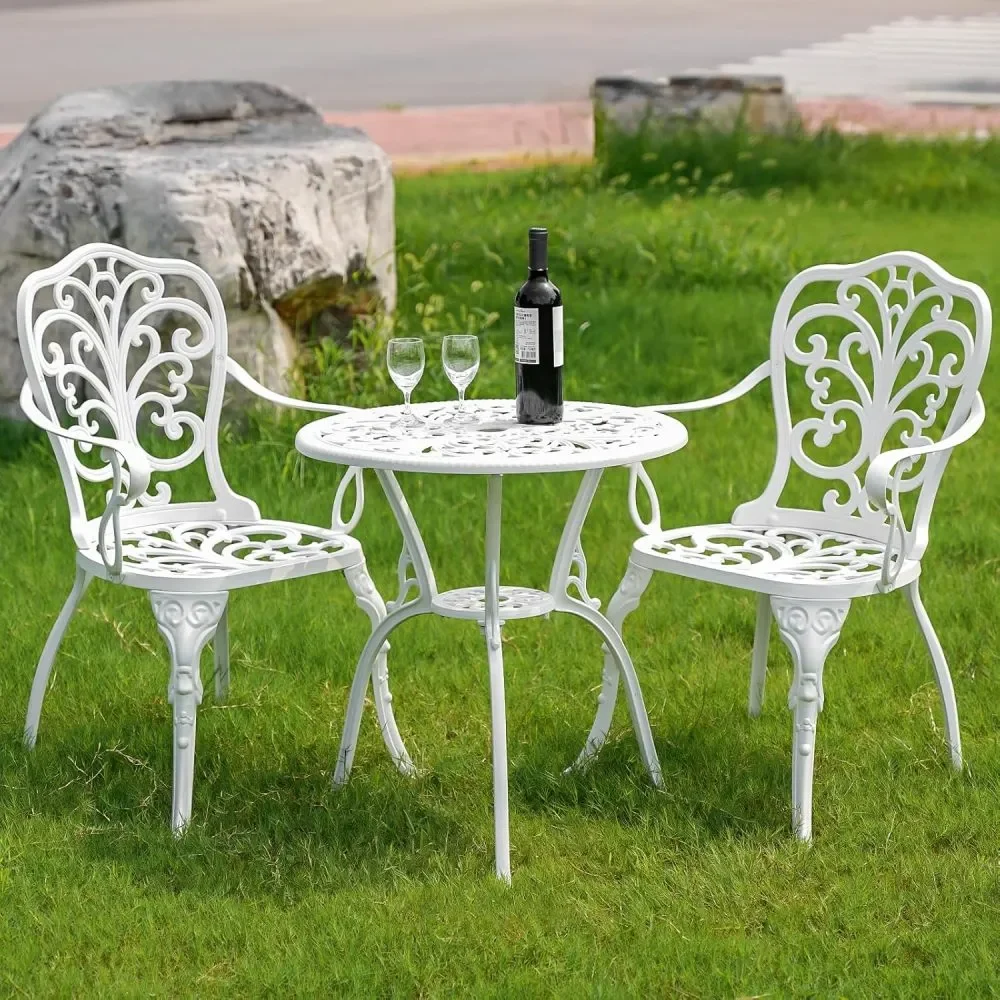
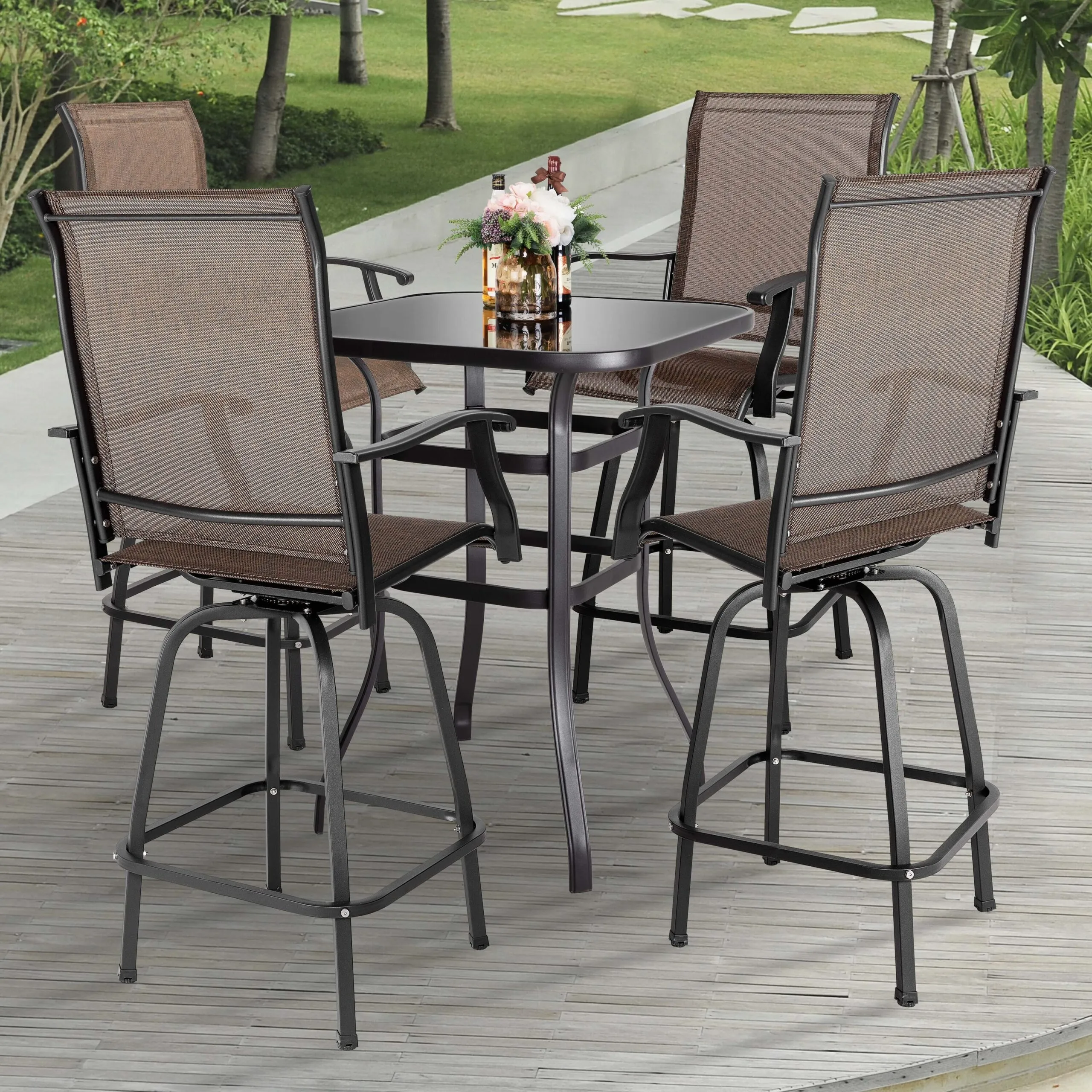
Both café and bistro furniture must meet commercial-grade standards, but usage patterns differ. Café furniture needs to withstand prolonged use, frequent movement, and varied customer behavior. Strong joinery, high-density foam, and scratch-resistant finishes are essential. Bistro furniture, on the other hand, is often moved frequently for cleaning or reconfiguration, making lightweight yet durable construction critical. Powder-coated metal frames, moisture-resistant surfaces, and easy-to-maintain materials are common choices, especially for outdoor use.
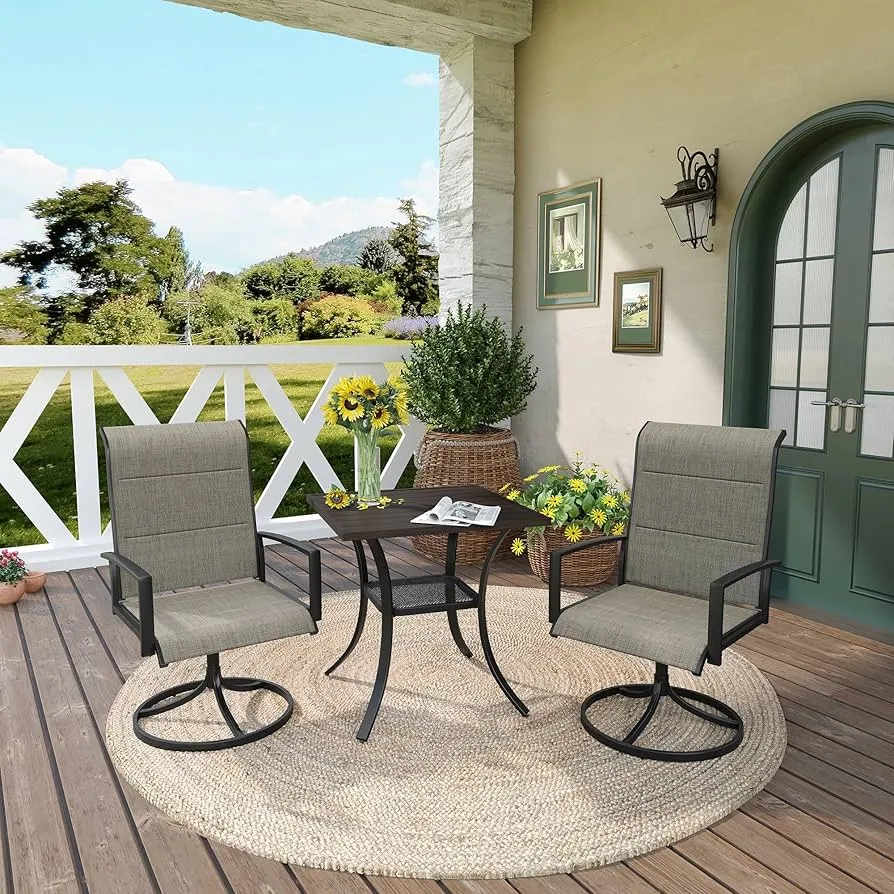
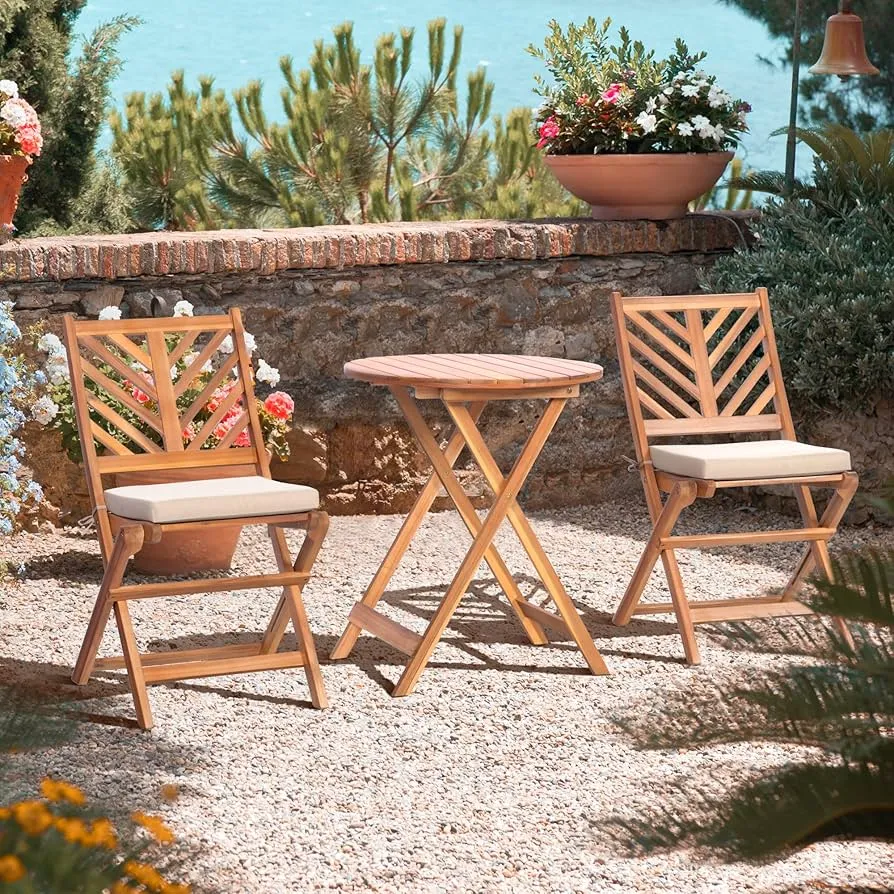
Selecting between café and bistro furniture depends largely on your business model and customer behavior. Café furniture is ideal for concepts that encourage longer visits, casual meetings, and relaxed dining experiences. Bistro furniture suits fast-paced dining environments where space efficiency and table turnover are priorities. Many modern hospitality spaces successfully combine both styles—using café furniture for lounge or window seating and bistro furniture for high-density dining zones. This hybrid approach allows businesses to cater to diverse customer needs while optimizing space utilization.
No products in the cart.